
How Acupressure and Tuning Fork Therapy Can Relieve Chronic Pain and Reduce Stress Naturally.
Clarissa de Paula | APR 27, 2025
acupressure for pain relief
tuning fork therapy benefits
chronic pain alternative therapy
stress reduction without medication
parasympathetic activation techniques
vibrational therapy for muscle tension
integrative approaches to pain management
tuning fork therapy for pain
therapy for tmj
natural relief for chronic stress
acupressure for emotional release
what helps with burnout recovery
non-medication options for stress and anxiety
chronic pain treatment without medication
holistic therapy for perimenopause symptoms
what relieves tension headaches naturally
stuck in fight or flight mode
therapy for emotional stress in the body
help for jaw tension and tmj discomfort
natural relief for neck and shoulder pain
Living with chronic pain, muscle tension, or nervous system overload isn’t just frustrating—it’s draining. Acupressure offers a time-tested, low-risk approach to support the body’s natural ability to manage pain and stress. When combined with targeted vibrational input from tuning forks, this hands-on method becomes even more effective—especially for clients seeking a non-invasive, needle-free option.
What Acupressure Can Do for Your Pain
Acupressure involves applying pressure to specific points on the body—known as acupoints—to stimulate the nervous system, improve circulation, and release muscular tension. These points often correspond with those used in acupuncture but require no needles.
This approach can be particularly helpful for:
- Chronic muscular and joint pain
Relieves soft tissue tension and joint stiffness caused by overuse or poor mechanics. - Headaches and migraines
Certain acupoints can help interrupt tension and reduce migraine frequency. - Neck, shoulder, and back discomfort
Offers relief from postural strain and repetitive-use fatigue. - Stress and autonomic overload
Stimulates the parasympathetic nervous system to promote a state of physiological calm.

A Note on Early Research in Vibrational Acupuncture
In the late 1970s, French acupuncturist and musician Fabien Maman began exploring how sound frequencies might influence the body’s physiological and energetic systems. His research eventually led to the development of methods using tuning forks and colored light applied to acupuncture points. In his book The Body as a Harp – Sound and Acupuncture, he proposed that specific vibrational frequencies could serve as an alternative to needles for stimulating acupoints.
While Maman’s work laid early conceptual groundwork for modern vibrational therapies, today’s use of tuning forks in therapeutic settings is often informed by a blend of clinical reasoning, biomechanical feedback, and neurophysiological outcomes—offering a grounded, non-invasive option for regulating tension and enhancing recovery.
Why Tuning Forks on Acupressure Points Work So Well
Acupressure stimulates specific points along the body’s fascia, muscles, and nervous system pathways, initiating physiological responses like improved circulation, muscle release, and parasympathetic activation. When tuning forks are introduced to those same points, their vibrational frequencies amplify the therapeutic effects.
Instead of using mechanical pressure alone, tuning forks deliver sound waves directly into the tissues. These vibrations stimulate sensory receptors and create a subtle mechanical oscillation in the surrounding structures—supporting circulation, lymph flow, and neuromuscular re-patterning.
This isn't just surface-level input. Tuning forks interact with the body on multiple levels:
- At the cellular level, mechanical vibration supports mitochondrial activity and tissue repair.
- At the fascial level, the frequency helps release holding patterns by gently disrupting adhesions or areas of density.
- At the nervous system level, the auditory and vibrational input helps downregulate stress responses and support vagal tone.
When applied to acupressure points, the effects of tuning forks are often more focused and profound because those points already serve as regulatory access points within both traditional and contemporary models of care.
Together, acupressure and tuning forks create a synergistic effect. The pressure activates the point; the vibration sustains and expands the response—encouraging more efficient communication across muscle, fascia, nerve, and subtle body systems.
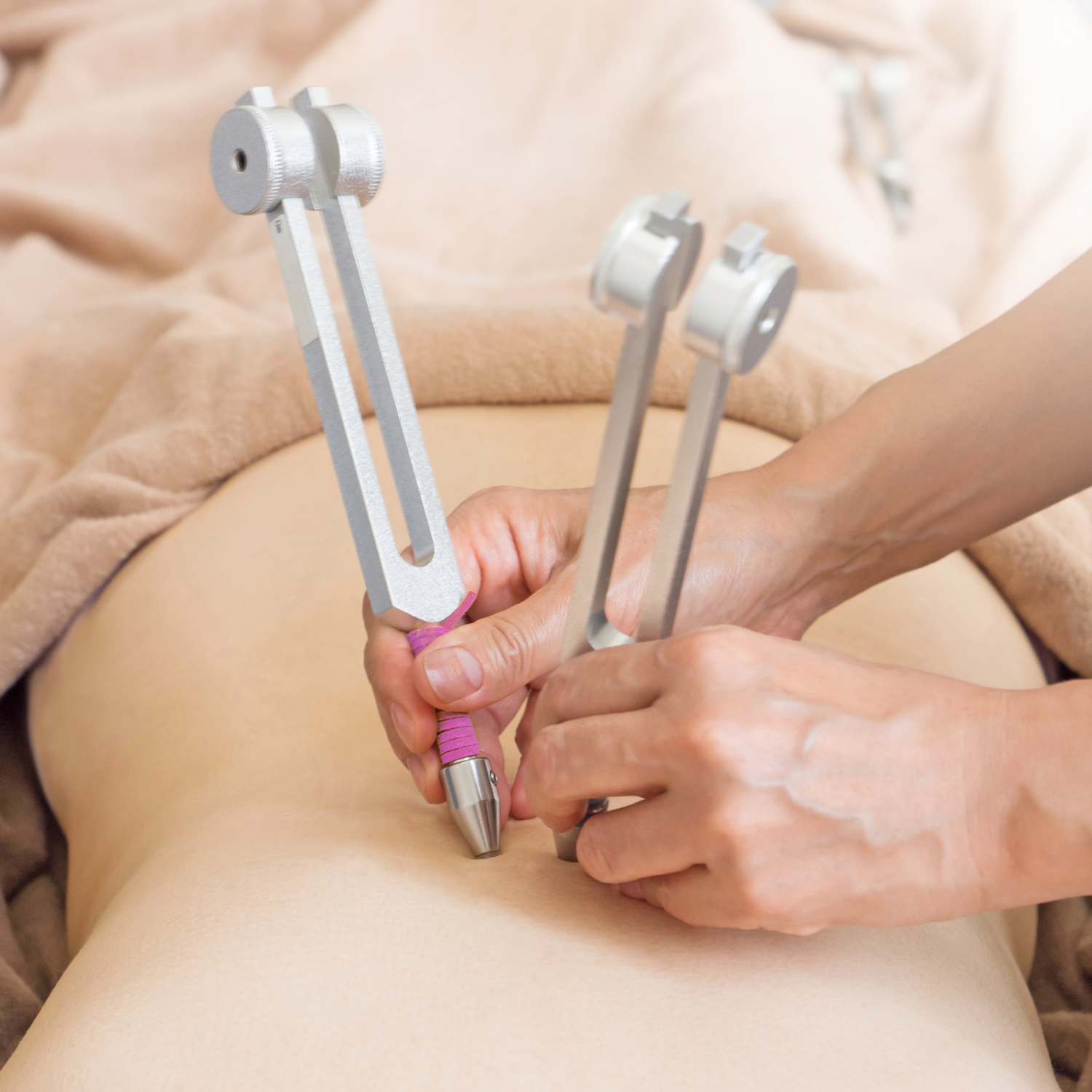
This Combination is specially beneficial for:
- Persistent muscle tension that hasn't responded to manual therapy alone
- Nervous system dysregulation, including stress-related fatigue or sensory overload
- Clients sensitive to needles, who want acupuncture-style support without puncture
- Stored emotional or somatic tension that’s embedded in protective holding patterns
Rather than force change, this method coaxes the body into regulation—offering an efficient yet non-invasive way to shift long-held dysfunction.
Clinical Benefits at a Glance
- Targeted pain relief
- Improved range of motion
- Nervous system regulation
- Faster recovery from overuse or inflammation
- Increased emotional clarity and resilience
At-Home Acupressure You Can Try
While professional sessions offer the most effective results, you can safely use these points to reduce daily tension between sessions. Here’s how:
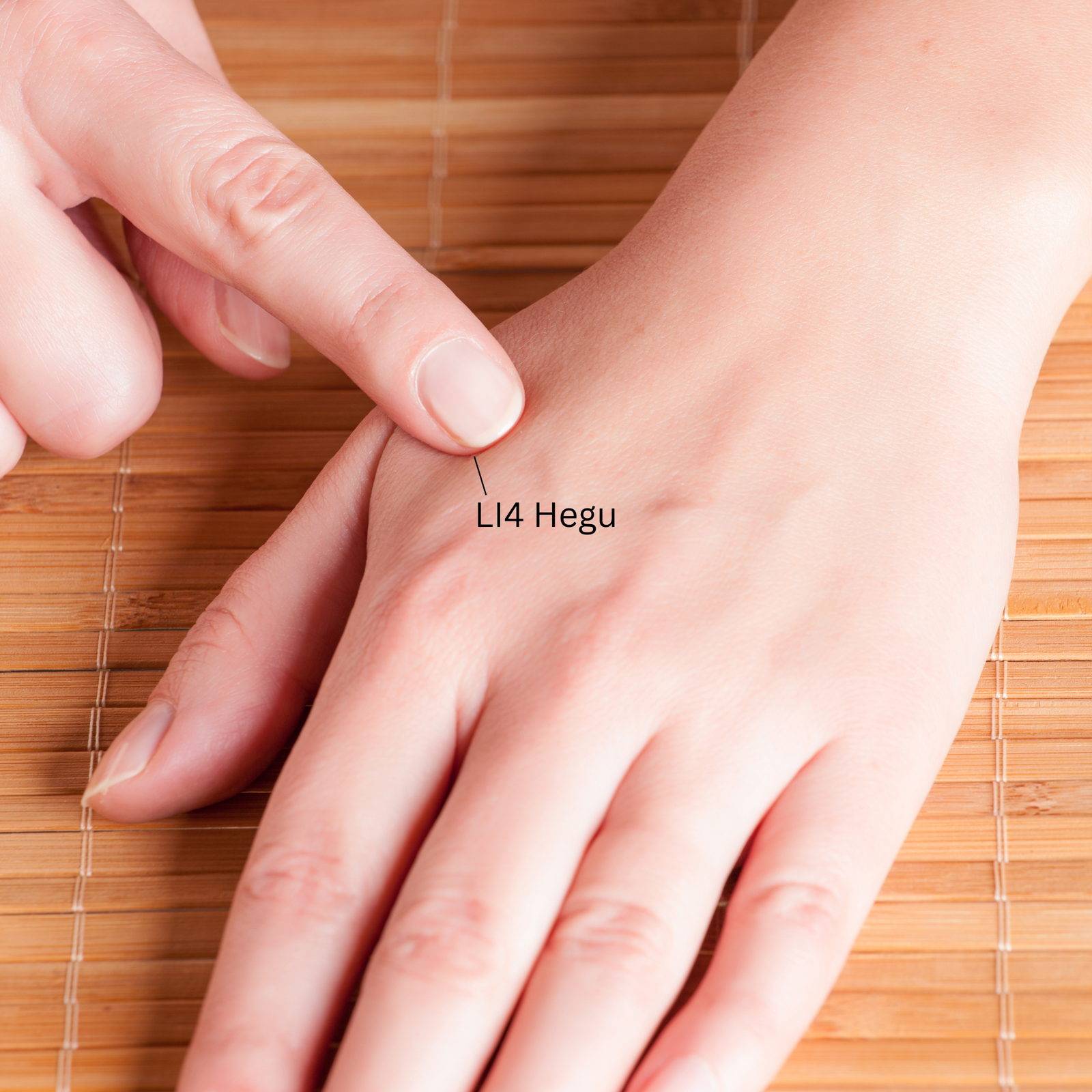
LI4 (Hegu)
For: Headaches, Neck Tension, and Stress
Location: Between thumb and index finger
How to Apply: Press firmly and massage in small circles for 30–60 seconds. Repeat on the other hand.
GV20 (Baihui)
For: Mental Clarity and Stress Relief
Location: Crown of the head, aligned with the ears
How to Apply: Gently press and hold, or tap this point for about a minute while breathing deeply.

ST36 (Zusanli)
For: Energy Boost and Muscle Recovery
Location:
Four finger-widths below the kneecap, slightly outside the shinbone
How to Apply:
Press firmly with thumb or knuckle in a circular motion for about a minute on each leg.

When to Seek Professional Care
Self-care practices like acupressure are a meaningful way to support your body day to day. But when pain becomes persistent, when stress interferes with your sleep, focus, or mood—or when you’re doing “all the right things” and still not getting relief—that’s your signal to go deeper.
Discomfort that lingers isn’t just inconvenient. It’s often your body’s way of signaling unresolved tension patterns, structural compensations, or nervous system overload that require more skilled input to shift. A targeted clinical session can identify and address the deeper drivers behind those symptoms—so you’re not just managing them, but changing them.
Your Next Step Toward Relief and Regulation
You don’t need to push through discomfort or wait for symptoms to become unmanageable. Acupressure and tuning fork therapy offer a clinically grounded, non-invasive approach to:
- Reduce chronic pain and stiffness
- Regulate the nervous system
- Address postural and fascial tension
- Support emotional and physical recovery—without relying on medication or aggressive interventions
Explore Sessions Options
If you're ready for an approach that respects the complexity of your body and doesn’t rely on one-size-fits-all protocols, here’s where to start:
Functional Balance — A hands-on session designed to address orthopedic pain, postural tension, and movement inefficiencies. Ideal for musculoskeletal recovery, manual therapy integration, and functional performance support.
Frequency Tune-Up — a sound and energy-based therapeutic input to help regulate the nervous system, release held emotional patterns, and restore internal coherence. Particularly supportive for clients experiencing burnout, sensory overload, or emotional fatigue.
Each session is scoped with clarity, built on evidence, and guided by what your system shows—not just what it says.
Schedule your appointment and take the first step toward feeling better, naturally.
Clarissa de Paula | APR 27, 2025
Share this blog post

© 2026 Realign Balance Therapies